What If Value Didn't Have To Mean Cheaper?
September 18, 2026
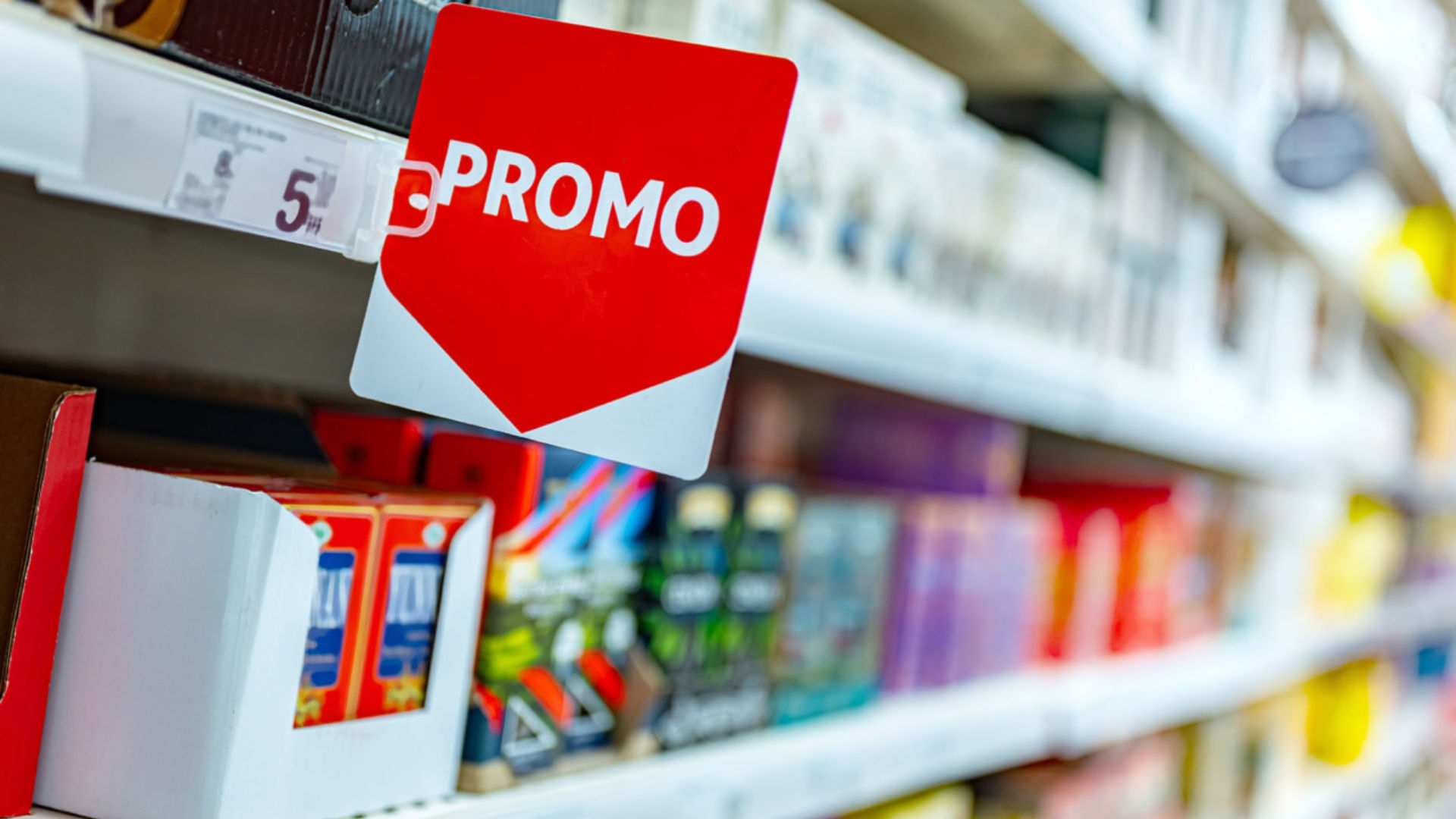
There’s a reason marketers keep coming back to price promotions.
They work.
If you need to shift product, taking a pound off, offering 20% back or running a multibuy is familiar territory. Everyone understands the mechanic and you have a pretty good idea of what it’s going to do.
But I think we need to be much more honest about what it can also do.
It eats your margin. It can mortgage future sales. And over time, it can teach shoppers that the price worth paying for your brand isn't the one on the shelf. It's the one they should wait for.
That last point bothers me.
The sales uplift on a promotion can look great, but how many of those are genuinely new sales, and how many have simply been brought forward from next week or next month?
Then your competitor promotes. You promote again. Everyone gets dragged into competing on price and it becomes harder and harder for the shopper to see a meaningful difference between you.
Which raises a fairly fundamental question.
If we've spent years and millions building a brand, why are we so quick to make price the reason to choose it?
Mondelez's Philadelphia is a great example we've been working with recently.
It operates in a category where private-label competition is fierce. Rather than simply taking money off, the brand offered dining experiences that tapped into something Philadelphia already stood for: food as a reason to come together.
That's not just a reward bolted onto a pack, the promotion is telling the same story as the brand.
And commercially, it's working. In Spain, the latest campaign delivered 2x the ROI of the previous year. In Portugal, ROI increased 70%.

Unilever has spent years building around its “Dirt is Good” philosophy: children should be free to explore, play, learn and, inevitably, get dirty.
So instead of making the detergent cheaper, why not give parents more reasons to let their children do exactly that?
Buy Rinso and families received free children's admission to a choice of more than 150 attractions across Indonesia.
That's such a simple connection.
The product cleans the clothes. The brand gives your kids another reason to get them dirty.
And it delivered a 15% sales uplift, with 30% of people who redeemed a reward coming back to redeem again.

Completely different brand. Completely different audience.
SNICKERS went into the world of Free Fire, rewarding purchase with official codes and exclusive in-game content, including a SNICKERS skin. The campaign delivered sell-out 10 percentage points above the category, put SNICKERS among the top 10 best-selling items at Easter and doubled audience attention.
Could a discount have shifted some extra bars?
Of course.
But it couldn't have put SNICKERS inside a game its audience already loved.

We spend an enormous amount of time, money and energy building brands. We define their purpose. We agonise over positioning. We invest in distinctive assets, innovation and advertising so that, ideally, the premium is already justified before someone reaches the shelf.
Then the promotional calendar comes around and too often we revert to:
How much are we taking off?
There's a disconnect there.
Surely the better challenge is to make the promotional strategy work just as hard for the brand as everything else does?
Use innovation to give people a reason to pay the price you're asking.
Use the brand's purpose to find ways to make your products stand out on a crowded shelf.
Find the things your audience genuinely values and create access to them in a way your competitors can't simply copy by knocking another 50p off.
The problem with competing primarily on price is that someone can always go lower, and if everyone is offering 20% off, how exactly are you standing out?
This isn't about pretending discounts don't work. They clearly do.
It's about looking beyond the immediate spike and asking what else that promotional investment could achieve.
Did we generate genuinely incremental sales?
Did we give people a reason to choose us over private label?
Did we strengthen what the brand stands for?
And, perhaps most importantly, have we given them a reason to buy again when the deal isn't there?
That's the bit I'd want to know.
Because making something cheaper and making it feel more valuable are two very different things.
And if I'm spending the money anyway, I'd rather it did both jobs: sell the product today and make the brand worth choosing tomorrow.
Share
Read more
.png?tr=fo-auto,ar-330-300,c-at_max:dpr-auto,q-90,fo-auto,ar-330-300,c-at_max,w-540)
Article
High-Value Rewards Without the High Cost
Discover how leading brands use high-value experiences to drive engagement, loyalty, and ROI without relying on discounts.

Article
Forget the Mouse Trap. What About a Mouse Spa? What Every Marketer Needs Today
Discover why value-add rewards outperform discounts and how smarter loyalty drives long-term customer engagement.

Article
Are You Experiencing ‘Pressure Point’ Marketing?
Marketing pressure never disappears, but always-on engagement can help. Explore how leading brands reduce reactive decision-making and drive loyalty.

Download
The Loyalty Reset: Driving True Emotional Connection In An Age Of Customer Fatigue
Are loyalty programs creating real loyalty or just rewarding habit? TLC’s new whitepaper explores emotional connection in modern loyalty.