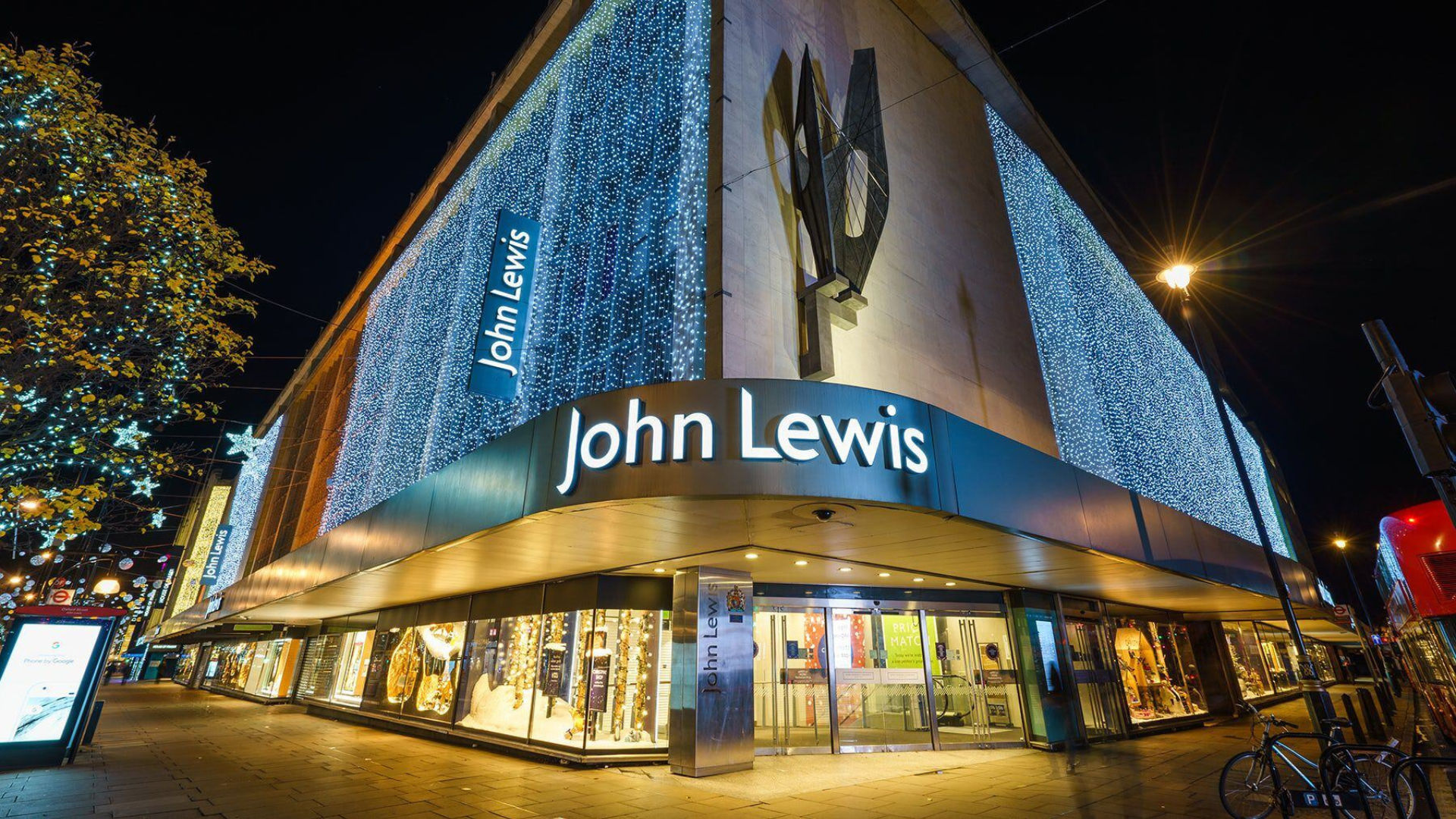
John Lewis’ VIP lounge signals the next chapter of loyalty in the experience economy
March 11, 2026
On the surface, it’s a simple brand activation. But for marketers, it represents something far more significant: the ongoing shift from points-based loyalty to experience-led loyalty - where value is measured not by discounts, but by emotion.
Moving beyond transactional loyalty
It’s a smart move in a retail climate where cost pressures and consumer fatigue are at an all-time high. According to Zendesk, over 50% of UK shoppers prioritise experience over price when considering where to buy. The emotional currency of feeling recognised, valued, and rewarded with access rather than money, is fast becoming the new competitive edge.
Experiences build emotional equity
This plays directly into the broader experience economy, where consumers seek moments of enjoyment, discovery and reward that connect to their values. For John Lewis, it’s an opportunity to make loyalty tangible again, something you can feel, not just see on a balance sheet.
Margin-friendly loyalty
In other words, a £5 coffee offered in the right context can drive the same emotional return as a £50 voucher.
A lesson for all marketers
Brands that focus purely on acquisition or price-based mechanics risk losing relevance to those creating experiences people genuinely remember.
Time to rethink loyalty?
- How are you rewarding the heart as much as the head?
- Are your loyalty mechanics driving advocacy or just activity?
- And how could experience-led rewards replace the discounts that eat into your margins?
John Lewis has provided a timely reminder - loyalty isn’t bought; it’s built through experiences that make people feel seen, valued, and proud to belong.
Ready to get in touch?
Discover how we can make your sales promotions, acquisition, engagement and loyalty programs work harder.
Let’s talkShare
Read more
.png?tr=fo-auto,ar-330-300,c-at_max:dpr-auto,q-90,fo-auto,ar-330-300,c-at_max,w-540)
Article
TLC Worldwide welcomes Munas van Boonstra
TLC Worldwide appoints Munas van Boonstra as Managing Director, APAC to accelerate growth, loyalty and customer engagement.
.png?tr=fo-auto,ar-330-300,c-at_max:dpr-auto,q-90,fo-auto,ar-330-300,c-at_max,w-540)
Article
TLC Worldwide recognised at the International Loyalty Awards 2026
Major recognition at the International Loyalty Awards 2026, including a win for our work with Three and multiple shortlist nominations.

Article
What Can Brand Marketers Learn From The Resurgence of Reddit?
Reddit’s rise highlights a growing demand for authenticity, trust and real insight. TLC explores what this shift means for brands building stronger customer engagement and loyalty.
.png?tr=fo-auto,ar-330-300,c-at_max:dpr-auto,q-90,fo-auto,ar-330-300,c-at_max,w-540)
Article
9 Key Loyalty Trends Shaping 2026
Discover the biggest loyalty trends shaping 2026 - including emotional loyalty, AI-driven discovery, personalisation, first-party data, and changing customer expectations.