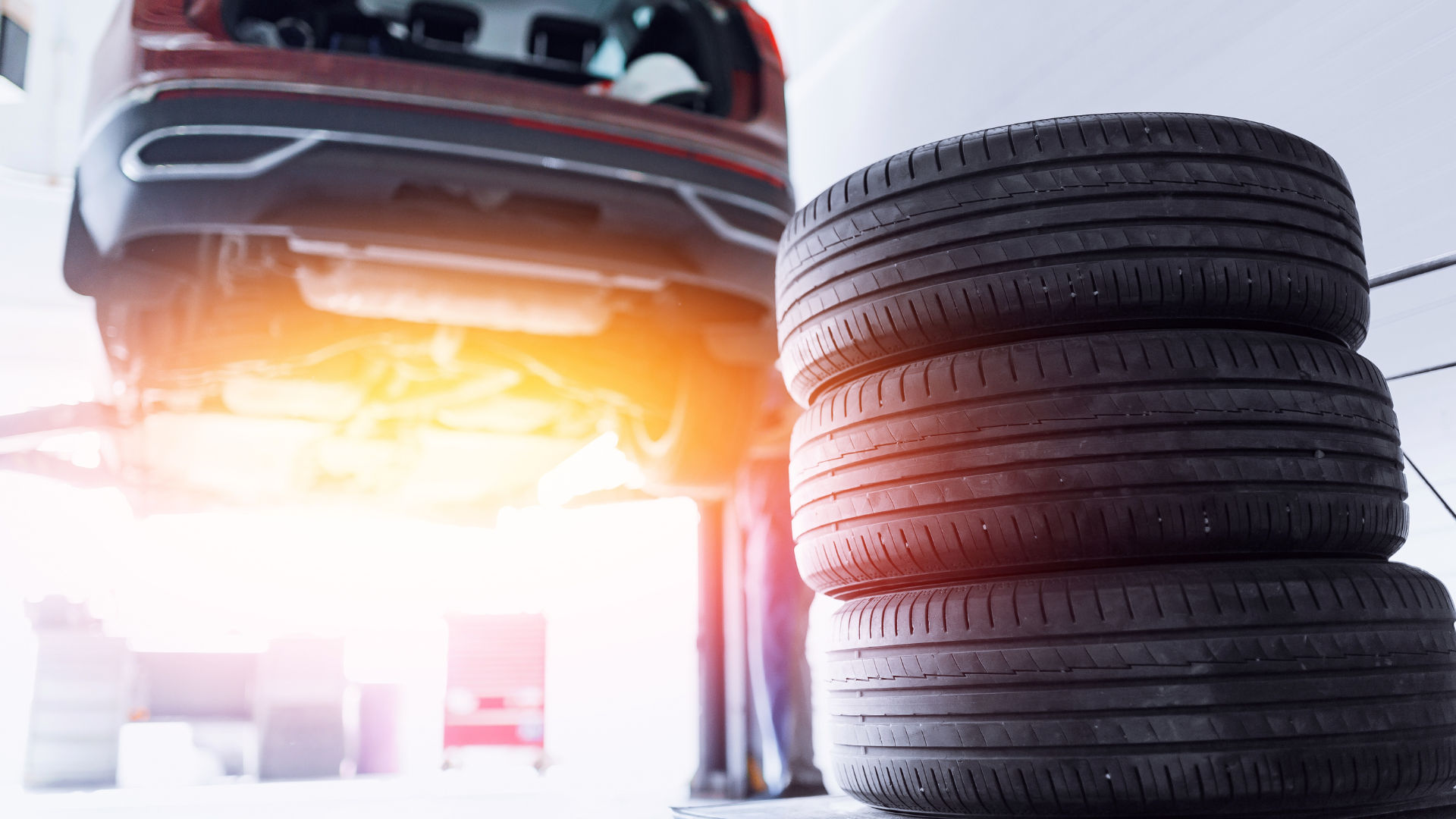
How Michelin turned tyres into the world’s most prestigious food guide
March 23, 2026
The 125-year old experiential marketing masterclass
But instead of focusing on transactional tyre sales, the brand devised a reason for people to get in their cars and drive. The small, red booklet – coined the ‘Michelin Guide’ – quickly became a useful travel companion complete with maps, petrol stations, mechanics, and restaurant recommendations.

The genius behind the guide
1. Identifying a clear problem
Fewer cars meant fewer tyres sold. Michelin needed a way to get drivers on the road more often. The more miles drivers put on their tyres, the more replacements they’d eventually need.
2. Understanding that people travel for food
Michelin recognised that people will go out of their way for a great meal. By linking the joy of travel with the promise of exceptional dining, they created an incentive for drivers to use their cars for more journeys. In effect, Michelin was selling an experience, not just a product – a lesson that modern marketers still use to this day.
3. Creating a must-have travel companion
The 35,000 copies of the first Michelin Guide were practical, desirable, and designed to influence behaviour. By combining maps, petrol stations, mechanics, and restaurant recommendations all in one booklet, Michelin gave drivers a compelling reason to plan longer trips.
The Michelin star’s legacy
That impact is especially clear when you look at the rise of culinary tourism. According to the Global Culinary Tourism Market Size & Outlook (2023–2030), the sector generated USD 11.5 billion in 2023 and is forecast to reach USD 40.5 billion by 2030, growing at 19.7%. Food festivals alone generated USD 3.6 billion last year, and “culinary trails” are expected to be the fastest-growing segment throughout the decade. This momentum demonstrates how deeply food experiences now influence where people travel and what they seek out when they get there.
Take San Sebastián in Spain, for instance. Often described as one of the world’s premier gourmet destinations, the city boasts the second-highest number of Michelin stars per capita, globally – an achievement that consistently attracts food lovers from every corner of the world.
.png?tr=dpr-auto,q-90,fo-auto,h-682,w-1214)
What marketers can learn from Michelin
And while the world has changed dramatically since 1900, this principle hasn’t. For modern marketers, this logic can be applied to understanding what motivates your audience and creating experiences that unlock that behaviour. Today, that may mean tapping into desires for adventure, convenience, connection, escapism, or self-improvement – universal motivations, personal to the individual, that consistently outperform purely transactional and arguably forgettable campaign efforts.
Experiential success for more than a century
At TLC, we help brands harness the same principles that made Michelin’s strategy iconic, by designing experiences that speak to what audiences truly value. Whether it's travel rewards that spark curiosity, culinary experiences that create lasting memories, loyalty programmes shaped around personal passions, or behaviour-changing incentives that encourage customers to try, buy, and come back for more, our work transforms insight into action.
Experiential marketing isn’t new - Michelin proved that in 1900 - but the brands who use it well today are the ones who cut through the noise, build genuine lasting loyalty, and create moments people want to talk about. When done right, it doesn’t just complement the brand story, it becomes part of it.
Share
Read more

Article
The Female Empowerment Campaigns That Still Resonate in 2026
From Always’ #LikeAGirl to Dove’s Real Beauty, we explore the female empowerment campaigns that still drive impact today – and what FMCG marketers can learn about authenticity, audience insight, and long-term brand growth.

Video
7 Lessons Financial Services Marketers Need to Hear This Year
How financial services marketing can pivot from acquisition to enduring engagement.
%20(12).png?tr=fo-auto,ar-330-300,c-at_max:dpr-auto,q-90,fo-auto,ar-330-300,c-at_max,w-540)
Article
How Will The World Cup Influence Your Brand in 2026
The World Cup sees billions tune in across the globe, creating opportunities for brands to engage, inspire, and deliver measurable impact.

Download
How to Build Promotions That Actually Work
Discover the three promotional pillars helping brands overcome budget pressure and private-label growth - without relying on discounts.