The Female Empowerment Campaigns That Still Resonate – And What FMCG Brands Can Learn From Them
March 03, 2026
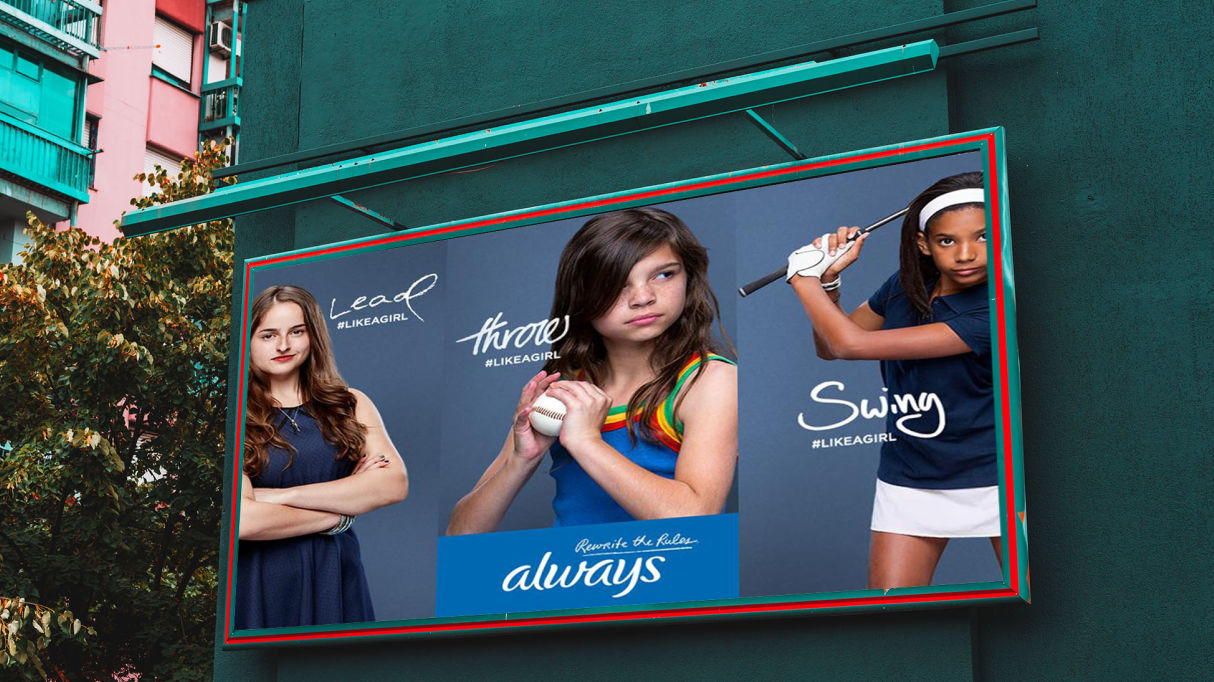
Always’ #LikeAGirl
The brand created a social experiment that brought this language bias to life. Teenagers and adults – both male and female – were asked to perform actions “like a girl,” such as running, throwing or fighting. What followed were exaggerated, self-deprecating gestures that reflected society’s low expectations of girls. Then younger, pre-pubescent girls were asked to do the same. They ran fast. They threw hard. They fought fiercely. Because for them, doing something “like a girl” meant doing it as well as they possibly could, with confidence and pride. The contrast powerfully highlighted that the issue wasn’t girls’ ability, it was the perception imposed on them. And the message of the campaign became ‘why can’t “run like a girl” also mean “win the race”?’
The video achieved over 90 million views globally in the early months and 4.4 billion media impressions. A reported 96% of viewers said the campaign changed their perception of the phrase “like a girl”, and there was a significant brand uplift and increased purchase intent among Always’ target demographic. More than a decade later, “like a girl” is widely recognised as a phrase reclaimed rather than ridiculed. There’s a lesson for FMCG brands in this. When your products connect to how people see themselves – as many everyday items do – you have both the opportunity if not responsibility to influence how that identity is understood.

Dove’s ‘Real Beauty’
From billboards featuring “real women” to viral films such as Real Beauty Sketches, the brand chose relatability over perfection – showing women on screen that other women could truly see themselves in, rather than unrealistic ideals to live up to.
Commercially, the strategy worked. Dove’s sales reportedly grew from $2.5 billion to over $4 billion in the decade following the launch of Real Beauty. But better than that, the platform is still here 20 years later – an almost unheard-of lifespan in modern marketing.

Nike’s Dream Crazier
Women who show emotion are labelled “dramatic”. Women who show ambition are labelled “crazy”.
The campaign reframed these criticisms as fuel for greatness, showcasing elite athletes who had been judged for breaking boundaries. Within days of launch, the film had generated tens of millions of views across social platforms and sparked a global conversation.
And, for brands watching on in appreciation, it’s a reminder that empowerment doesn’t always have to be soft-focus or sentimental. It can be bold, direct and culturally specific – providing it feels authentic to the brand and grounded in a real understanding of the audience.
.png?tr=dpr-auto,q-90,fo-auto,h-682,w-1214)
Why These Campaigns Continue To Resonate
Looking Forward
When insight is combined with courage, creativity blended with purpose, and authenticity with relevance, campaigns go beyond simple messaging. They create moments that stick, build trust, and foster lasting connections – even in categories that might seem routine or everyday.
These campaigns show that it’s possible to be brave and thoughtful at the same time – to push boundaries, challenge norms, and speak up in ways that resonate far beyond a single campaign, platform, or product.
Because the most memorable campaigns leave a mark on culture. And in FMCG, where products touch daily life, that kind of resonance can make all the difference
Ready to get in touch?
Discover how we can make your sales promotions, acquisition, engagement and loyalty programs work harder.
Let's TalkShare
Read more

Download
How to Build Promotions That Actually Work
Discover the three promotional pillars helping brands overcome budget pressure and private-label growth - without relying on discounts.
.png?updatedAt=1770051372013&tr=fo-auto,ar-330-300,c-at_max:dpr-auto,q-90,fo-auto,ar-330-300,c-at_max,w-540)
Article
How Emotions Drive FMCG Purchases: Beyond Discounting
Discover how emotional triggers influence FMCG buying decisions and why experience-led rewards outperform discounting for brand loyalty.

Article
The Emotional Drivers of Choice
Emotion drives 90% of decisions. Discover how FMCG brands tap into feelings, not just price, to win hearts, baskets and loyalty.
%20(12).png?tr=fo-auto,ar-330-300,c-at_max:dpr-auto,q-90,fo-auto,ar-330-300,c-at_max,w-540)
Article
How World Cup Will Influence Your Brand in 2026
The World Cup sees billions tune in across the globe, creating opportunities for brands to engage, inspire, and deliver measurable impact.