Is sponsorship hype blurring the real drivers of telco loyalty?
December 31, 2025
In the global telecom playbook, corporate sponsorship is the ultimate "big swing." It’s high-visibility, high-prestige, and increasingly high cost.
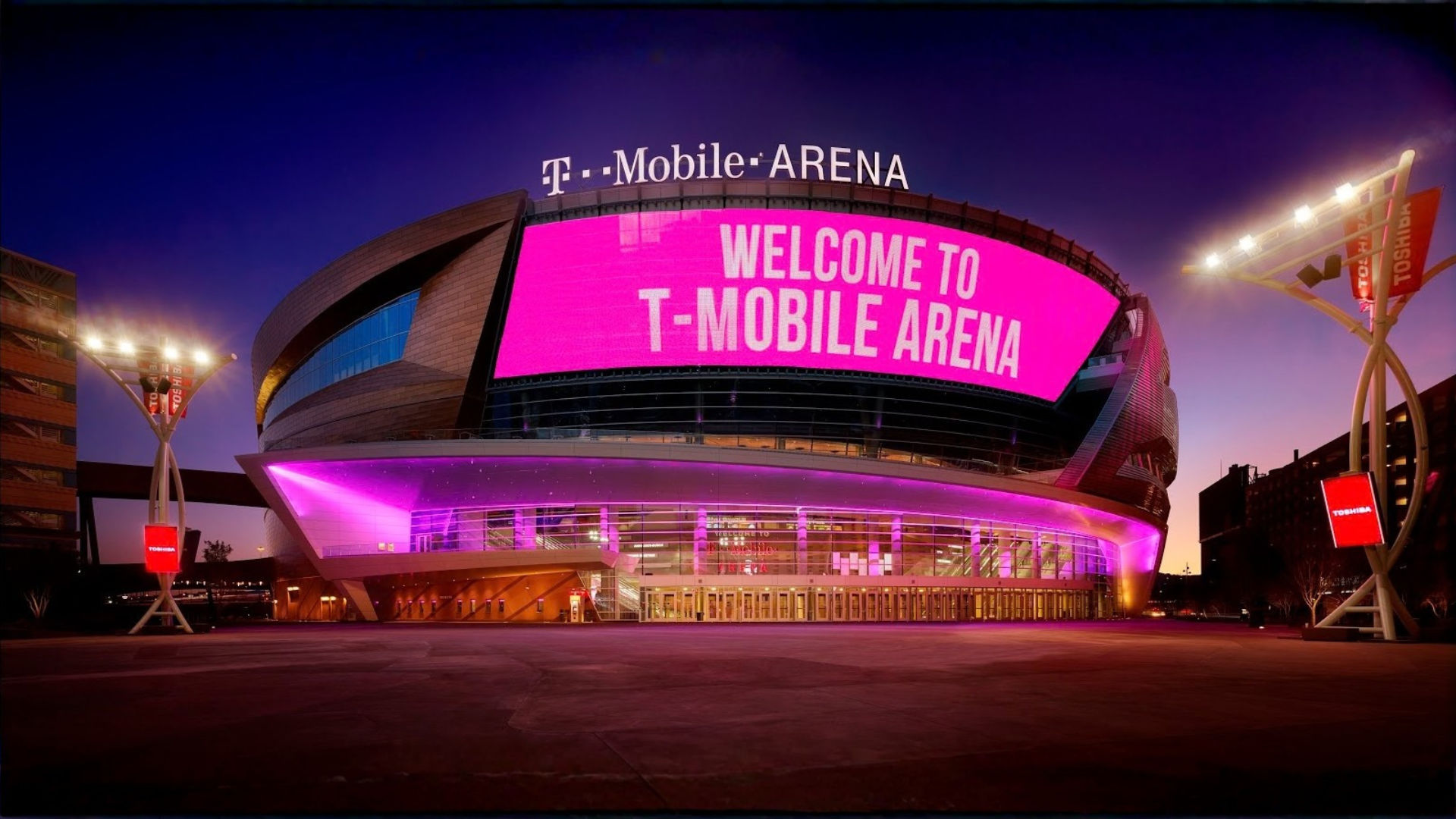
In the US, telco brands are part of the literal landscape. AT&T Stadium is the home of the Cowboys, Verizon owns the airwaves across the NFL and live entertainment, and T-Mobile has turned its Las Vegas arena into a global cultural hub. Internationally, the story is identical, with telcos fueling everything from Premier League football to Formula 1. This is applicable on a global scale including in South Africa.
These investments buy fame, trust, and huge reach. But as the market saturates and organic growth slows, it’s time for the C-suite to ask a tougher question: Is a stadium name actually enough to reduce customer churn, or are more impactful strategies being overlooked?
Why sponsorship won the first round
As networks converged and unlimited plans became a commodity, brands needed an edge. Sponsorship offered a way to bypass product specs and link brand to what people actually love: sports, music, and community. It opened three distinct advantages:
- Human connection: Moved the brand beyond the monthly bill and into the fan experience.
- Iconic status: Turned venues like London’s O2 Arena into destination brands in their own right.
- Emotional equity: Built a level of warmth that wasn’t possible for a 5G speed test but became inevitable with national pride or generational sports loyalty on the line.

The loyalty gap in a subscription economy
Even the most successful sponsorships have a "utility ceiling":
- Low frequency: A customer might visit a sponsored venue once or twice a year.
- Geographic friction: In North America, a stadium naming rights deal in Dallas has little impact on a Seattle-based customer.
- The renewal moment: When a competitor drops a significant switching incentive, a logo on a jersey rarely tips the scales.
Sponsorship may build fame, but loyalty is built through repeated relevance and recognised value.

Where loyalty wins the "ground war"
These brands are laser-focused on making customers feel recognised and rewarded, often simply for staying. By designing for convenience, frequency, relevance, and personal values, telcos can position themselves as part of daily routines and create brand stickiness.
What we can learn from high-churn verticals
- American Express uses Membership Rewards to own the travel and dining lifestyle.
- Bilt Rewards turned rent into a high-engagement loyalty play that covers housing and neighbourhood commerce, including “Rent Day” benefits and exclusive events.
- Vitality ties discounts to health behaviours, creating a daily reason to engage with an insurance brand that members wouldn’t otherwise think much about.
- Revolut’s RevPoints create app-native incentives that integrate with digital habits.
Traditional banks, such as Barclays Blue Rewards, combine cashback with everyday banking services to drive both practical and emotional stickiness.

A balanced strategy for retention
By reinvesting even, a small portion of marketing margin into a well-designed loyalty programme, brands can create differentiation that feels personal rather than promotional. That’s when you start being seen as a clearly defined lifestyle partner, rather than an interchangeable utility.
Why TLC?
At TLC, we see the strongest results when telcos take a holistic view of loyalty.
For more than 30 years, we’ve helped global telcos create more valuable, exciting, personalised, and unique programmes – not because rewards are the goal, but because they solve real business challenges.


Share
Read more

Article
How Michelin Turned Tyres Into The World’s Most Prestigious Food Guide
The Michelin Guide started as a clever way to sell tyres but became the ultimate culinary authority. TLC explores how this 100 year-old marketing strategy still inspires brands today.
.png?tr=fo-auto,ar-330-300,c-at_max:dpr-auto,q-90,fo-auto,ar-330-300,c-at_max,w-540)
Article
6 Steps to Proactive Telco Customer Engagement
See how leading telcos predict customer needs, personalise experiences, and turn rewards into real impact.

Article
How Telcos Can Stand Out in a Sea of Sameness
In a commoditised telecoms market, discover how experience-led, emotional engagement helps telcos stand out and grow.

Article
The Female Empowerment Campaigns That Still Resonate in 2026
From Always’ #LikeAGirl to Dove’s Real Beauty, we explore the female empowerment campaigns that still drive impact today – and what FMCG marketers can learn about authenticity, audience insight, and long-term brand growth.